 The Semlers, Art & Vickie, REALTOR®
 480.620.7670
avsemler@cox.net
www.SemlerAzHomeTeam.com
Let's Stay Connected on Facebook & Twitter!


Thursday, April 7, 2011
5 Real Estate and Mortgage Urban Legends
Entire feature films, websites and hour-long cable specials have been devoted to debunking urban legends, those modern fables that circulate at the speed of the internet. And real estate is not immune; modern-day myths of easy-peasy seller financing, distressed sellers practically throwing their properties at buyers, and cosmetic fixers that can be had for pennies are just that - fairy tales which, if believed, can result in some not-so-happy endings. The real deal is that real estate is much more affordable than it used to be, but the barriers to entry are higher, and the days in which you could get something for nothing are over. Here are five real estate and mortgage urban legends, and the truth which lies beneath. Urban Legend #1: Got bad credit? Get seller financing. Does seller financing exist? Of course. Is it as easy to get - or desirable - as they make it seem in the infomercials? Not even close. Here's the real deal: most sellers who have a mortgage they obtained in the last 10 years or so also have a due on sale clause which requires them to pay it off when they sell the property. Financing the sale themselves, vs. requiring the buyer to obtain mortgage or other financing to pay for the property, prevents them from having the cash to pay their mortgage off, as required. And the vast majority of those who don’t have a mortgage of recent vintage need the proceeds from the sale of their homes to buy their next home or invest in their next property. What’s more, even the few sellers who don’t need the cash often don’t want to take on the long-term risk and hassle involved with having to collect payments from a buyer for 10, 15, or 30 years. The sellers who can and will agree to seller financing usually want a premium price and interest rate for it - and the smart ones will require some type of credit check and a deeper down payment than a traditional lender. And seller financing, as sweet as it sounds, poses risks for buyers, too. If the seller keeps a bank mortgage on the property and fails to make the payment, the seller-financed buyer could end up losing the home they’ve paid for to foreclosure. Best targets for seller-financing are investor sellers who are looking to avoid capital gains, and best practice is to get a local real estate attorney involved in drafting and recording the transfer and financing documentation. Urban Legend # 2: Buyers save big bucks on cosmetic fixers. Sellers aren’t stupid - and neither are their agents. There might have been a day and time in which you could find listings that were deeply discounted because they needed a little cosmetic refresh. But those days are long gone - even in today’s down market, sellers expect to invest a little cash into paint and carpet to stage and spruce up their biggest asset and get as much as humanly possible for it. Today’s sellers also know that homes not in tip-top shape may not sell at all these days, so they go to great lengths to do make their homes shine. (And those who can’t afford to aren’t slashing tens of thousands off their homes’ list prices, though some will offer buyers a credit at closing.) That’s not to say you can’t get a discount on a place that needs some work. But the meatiest discounts are on the places that need the most work; roof leaks, old windows and laundry-list long pest inspection reports are much more likely to get you a big price break than scuffed walls and grungy carpeting on a home in otherwise sound condition. Urban Legend #3: 100 percent financing for first-time buyers. Most of the national first-time buyer programs are mere figments of our collective mortgage memory. But during the subprime mortgage era, 100 percent financing was available to pretty much everyone, not just first-timers. And the post-bubble first-time buyer programs tended to be tax credits that could defray some of the up front investment required to buy a home, rather than zero-down home loans. FHA loans, which are extremely popular with first-time buyers, are available to any buyer who can qualify, whether or not they have owned homes before or own one now. Most of the state and local first-time buyer programs that still exist involve some level of down payment or closing cost assistance, but the vast majority also require that the buyer put some of their own cash into the transaction. The prevailing theory today is that homeowners who have put their own hard-earned cash into their homes are less likely to walk away from it later, whether or not they are first-time buyers. It has also become clear that the financial management skills and discipline it takes to save up for a down payment or closing costs are skills and habits that stand prospective buyers in good stead for the rest of their lifetimes as homeowners. Long story short, while virgin homebuyers can and should seek out the assistance programs available to them (local real estate and mortgage pros often know the ins and outs), they should also tuck their pennies away and expect to have to put some of their own financial skin in the game. Urban Legend #4: Nearly free foreclosures. We've all heard the line that banks don't want to be in the business of owning homes. That may be true, but they are in that business, whether or not they want to be. As a result, they're not giving houses away at pennies on the dollar. In fact, bank-owned homes, as a rule, must be sold at as close as possible to their fair market value. Banks and their Wall Street mortgage investors do this by exposing the property fully to the market, rarely accepting lowball offers, and only lowering list prices in fairly small increments after a listing fails to sell after 60 or 90 days (plus) at the pre-reduction price. While foreclosed homes do sell for less, on average, than their "regular" sale counterparts, they are also often in worse condition. And banks are virtually always less negotiable on pricing, repairs and other terms than individual sellers. The fact of the matter is that some of the best deals on today's market are to be had via negotiations with realistic owners of non-distressed properties who are ready, willing and able to make a deal. Urban Legend #5: Distressed owners who will sign their home over to you, gratis. This one is fantasy of the highest level. First off, very few assumable home loans even exist anymore; most mortgage are due on sale, which means that new buyers have to qualify for and secure their own loans. Secondly, many mortgages that ARE assumable have much higher interest rates than today's home loans. Third, most homeowners who are in a distressed position on their home are in that position because their home has declined in value and they now owe more on it than it's worth, which stops them from pulling off a traditional sale or refinancing it at today's lower rate. Ask yourself: why would you, a buyer, want to assume a mortgage balance vastly greater than the property is worth, even if you could? It's just not worth it, even if you think you're getting a shortcut around the mortgage qualifying rigmarole. Add to that the fact that many states have consumer protection laws dramatically limiting the sort of 'bailout' that is even legal to propose to a homeowner who is in some stage of the foreclosure process. In addition, many homeowners who have received foreclosure notices are in the process of trying to work out their distress with their lender or staying put without making payments as long as possible before losing their homes. These folks might be slightly miffed at your intrusion, to put it politely, if you ring them up, send them a note or knock on their door trying to pitch yourself (and your signature) as their mortgage distress solution. Article courtesy of Tara Nicholle Nelson at Trulia

Wednesday, February 16, 2011
Water damage: Better to prevent than to repair
 Burst pipes, exploding water heaters, overflowing commodes, the hidden drip of leaky appliance hoses … before you know it, your home’s got water damage, perhaps thousands of dollars of water damage. The key is to find problems before they cause damage; here are some ideas that may help.
Recognize the signs
Much of the trouble that water causes often goes unseen until too late. Use your five senses as you try to find signs of potential trouble, such as:
•musty odors
•rusty stains around light fixtures
•damp, sticky floors
•mildew along ceiling, wall and baseboard edges
•dripping pipes
•condensation on windows and cold surfaces
•mold and mildew growth
If you discover interior water damage, make the repair yourself or hire a qualified repairperson. But do it immediately; don’t put it off.
Use preventive maintenance
When it comes to water damage, prevention is better than intervention. Preventive maintenance is cheaper and easier than repairing or replacing damaged floors, subfloors, walls, appliances and so on. Here are some tips:
•Avoid condensation. Use vents and fans to keep air circulating in your bathrooms and your laundry area. Make sure your dryer is vented to the outside. Use storm windows to keep condensation from forming on windows and to help conserve energy.
•Repair leaks. Look for and fix leaky faucets and dripping toilets. In cold climates, water flowing down the drain under your home may freeze causing water to back up through the drain lines into your home.
•Control humidity. Use a portable dehumidifier that shuts off automatically when the collector pan is full.
•Listen and look for any signs of leaks, such as unusual hissing sounds under floors or in walls; stains, dampness or discoloration in hard-to-reach spaces around water heaters, under sinks and behind clothes washers.
Again, if you discover interior water damage, find the source and correct the problem immediately. If you can’t make the repair yourself, hire a qualified repairperson.
Keep your home dry
When it comes to water damage, your energy and your money is best spent on prevention. If you’re not vigilant, water can do thousands of dollars of damage to your home — silently and quickly. Your home is your largest investment; insure it with coverage you can tailor to meet your needs.
Article Courtesy of Gabe Paola/Farmers Insurance 480-753-5800
Burst pipes, exploding water heaters, overflowing commodes, the hidden drip of leaky appliance hoses … before you know it, your home’s got water damage, perhaps thousands of dollars of water damage. The key is to find problems before they cause damage; here are some ideas that may help.
Recognize the signs
Much of the trouble that water causes often goes unseen until too late. Use your five senses as you try to find signs of potential trouble, such as:
•musty odors
•rusty stains around light fixtures
•damp, sticky floors
•mildew along ceiling, wall and baseboard edges
•dripping pipes
•condensation on windows and cold surfaces
•mold and mildew growth
If you discover interior water damage, make the repair yourself or hire a qualified repairperson. But do it immediately; don’t put it off.
Use preventive maintenance
When it comes to water damage, prevention is better than intervention. Preventive maintenance is cheaper and easier than repairing or replacing damaged floors, subfloors, walls, appliances and so on. Here are some tips:
•Avoid condensation. Use vents and fans to keep air circulating in your bathrooms and your laundry area. Make sure your dryer is vented to the outside. Use storm windows to keep condensation from forming on windows and to help conserve energy.
•Repair leaks. Look for and fix leaky faucets and dripping toilets. In cold climates, water flowing down the drain under your home may freeze causing water to back up through the drain lines into your home.
•Control humidity. Use a portable dehumidifier that shuts off automatically when the collector pan is full.
•Listen and look for any signs of leaks, such as unusual hissing sounds under floors or in walls; stains, dampness or discoloration in hard-to-reach spaces around water heaters, under sinks and behind clothes washers.
Again, if you discover interior water damage, find the source and correct the problem immediately. If you can’t make the repair yourself, hire a qualified repairperson.
Keep your home dry
When it comes to water damage, your energy and your money is best spent on prevention. If you’re not vigilant, water can do thousands of dollars of damage to your home — silently and quickly. Your home is your largest investment; insure it with coverage you can tailor to meet your needs.
Article Courtesy of Gabe Paola/Farmers Insurance 480-753-5800
Saturday, February 5, 2011
2011 JDRF Promise Ball
 On Saturday, January 29, 2011, Juvenile Diabetes Research Foundation held it's 11th annual Promise Ball at the JW Marriott Desert Ridge.
This years theme, "The Greatest Cause on Earth" set the stage for contortionists, aerialists and a collection of avant-garde cirque presentations. The evening's main entertainment was The Groove Merchants, voted "best live band" by Readers Choice Awards.
This elegant black tie event attracted many of the valley's elite philanthropists and corporations as well as concerned relatives and friends of people with type 1 diabetes, all who have joined together with a commitment of time and effort to help realize the promise of a cure.
In addition to the live auction, this years guests participated in a themed vignette raffle with exclusive items valued up to $5,000.
JDRF Promise Ball Photos
It was a very successful night for JDRF thanks to all the generous guests, auction donors, sponsors and volunteers dedicated to help in the search for a cure.
On Saturday, January 29, 2011, Juvenile Diabetes Research Foundation held it's 11th annual Promise Ball at the JW Marriott Desert Ridge.
This years theme, "The Greatest Cause on Earth" set the stage for contortionists, aerialists and a collection of avant-garde cirque presentations. The evening's main entertainment was The Groove Merchants, voted "best live band" by Readers Choice Awards.
This elegant black tie event attracted many of the valley's elite philanthropists and corporations as well as concerned relatives and friends of people with type 1 diabetes, all who have joined together with a commitment of time and effort to help realize the promise of a cure.
In addition to the live auction, this years guests participated in a themed vignette raffle with exclusive items valued up to $5,000.
JDRF Promise Ball Photos
It was a very successful night for JDRF thanks to all the generous guests, auction donors, sponsors and volunteers dedicated to help in the search for a cure.
Thursday, February 3, 2011
Lilly and the Juvenile Diabetes Research Foundation Partner to Fund Regenerative Medicine Research in Type 1 Diabetes
 Eli Lilly and Company (NYSE:LLY - News) and the Juvenile Diabetes Research Foundation (JDRF) today announced that they have signed an agreement to fund early-stage research that could enable patients with type 1 diabetes to regenerate insulin-producing cells destroyed by the disease.
"The goal of this research agreement is to understand how selected cells can be reprogrammed in order to convert them into insulin-producing cells in the body," said Philip Larsen, M.D., Ph.D., chief scientific officer for diabetes drug discovery at Lilly. "This research is an example of regenerative medicine, a new frontier in science that replaces or regenerates new cells, tissues or organs, and while this particular research is early stage, it may ultimately lead to new approaches to treating type 1 diabetes."
Type 1 diabetes is an autoimmune disease in which the body's immune system attacks and destroys the beta cells, stopping a person's pancreas from producing insulin. Insulin is a hormone that enables people to get energy from food. According to JDRF, in the U.S. alone, as many as three million people have type 1 diabetes.(1)
One research approach to finding novel treatments for type 1 diabetes may be to restore insulin production by regenerating insulin-producing cells within a person's body. This involves triggering the body to grow its own new beta cells, either by growing existing ones – some are usually still active, even in people who have had diabetes for decades – or by creating new ones by reprogramming, which involves converting one type of cell in the body into a different type. If a therapeutic is developed that will allow for the regeneration of beta cells, it could potentially eliminate the need for insulin.
The JDRF-Lilly agreement will support a three-year, $1.4 million pre-clinical research effort to be led by Dr. Pedro Herrera of the University of Geneva. Previous research by Dr. Herrera showed that alpha cells in the pancreas can spontaneously, and without genetic manipulation, convert into beta cells. This suggests that alpha cell reprogramming could be a viable strategy for regenerating beta cells in people with type 1 diabetes.
Building on this research, Dr. Herrera will collaborate with Lilly researchers to better understand these findings with the goal of translating them into potential drug targets and eventually, perhaps, even new therapies.
"As part of JDRF's focus on regeneration research, we see this collaboration as a critical opportunity to nurture new strategies to restore insulin production in people with type 1 diabetes. Previous efforts to reprogram non-beta cells into insulin-producing cells without genetic manipulation have not easily translated into therapies for type 1 diabetes," said Patricia Kilian, Ph.D., JDRF's Director of Regeneration Program.
"Collaborative research efforts like this can help address critical gaps to accelerate potentially promising research to patients," added Karin Hehenberger, M.D., Ph.D., senior vice president of Strategic Alliances for JDRF. "We seek partners who can help us deliver on our commitment to people living with diabetes, and Lilly has a long and productive history in the diabetes therapeutic space."
The agreement between JDRF and Lilly comes on the heels of a separate announcement in which Lilly and Boehinger Ingelheim said they will jointly develop and commercialize a portfolio of diabetes compounds currently in mid- and late-stage development.
About JDRF
JDRF is the worldwide leader for research to cure type 1 diabetes. It sets the global agenda for diabetes research, and is the largest charitable funder and advocate of diabetes science world-wide.
The mission of JDRF is to find a cure for diabetes and its complications through the support of research. Type 1 diabetes is an autoimmune disease that strikes children and adults suddenly, and can be fatal. Until a cure is found, people with type 1 diabetes have to test their blood sugar and give themselves insulin injections multiple times or use a pump - each day, every day of their lives. And even with that intensive care, insulin is not a cure for diabetes, nor does it pre-vent its potential complications, which may include kidney failure, blindness, heart disease, stroke, and amputation.
Since its founding in 1970 by parents of children with type 1 diabetes, JDRF has awarded more than $1.5 billion to diabetes research, including $107 million last year. More than 80 percent of JDRF's expenditures directly support research and research-related education. For more information, please visit www.jdrf.org.
Press Release Source: Eli Lilly and Company On Thursday February 3, 2011
Yahoo
Eli Lilly and Company (NYSE:LLY - News) and the Juvenile Diabetes Research Foundation (JDRF) today announced that they have signed an agreement to fund early-stage research that could enable patients with type 1 diabetes to regenerate insulin-producing cells destroyed by the disease.
"The goal of this research agreement is to understand how selected cells can be reprogrammed in order to convert them into insulin-producing cells in the body," said Philip Larsen, M.D., Ph.D., chief scientific officer for diabetes drug discovery at Lilly. "This research is an example of regenerative medicine, a new frontier in science that replaces or regenerates new cells, tissues or organs, and while this particular research is early stage, it may ultimately lead to new approaches to treating type 1 diabetes."
Type 1 diabetes is an autoimmune disease in which the body's immune system attacks and destroys the beta cells, stopping a person's pancreas from producing insulin. Insulin is a hormone that enables people to get energy from food. According to JDRF, in the U.S. alone, as many as three million people have type 1 diabetes.(1)
One research approach to finding novel treatments for type 1 diabetes may be to restore insulin production by regenerating insulin-producing cells within a person's body. This involves triggering the body to grow its own new beta cells, either by growing existing ones – some are usually still active, even in people who have had diabetes for decades – or by creating new ones by reprogramming, which involves converting one type of cell in the body into a different type. If a therapeutic is developed that will allow for the regeneration of beta cells, it could potentially eliminate the need for insulin.
The JDRF-Lilly agreement will support a three-year, $1.4 million pre-clinical research effort to be led by Dr. Pedro Herrera of the University of Geneva. Previous research by Dr. Herrera showed that alpha cells in the pancreas can spontaneously, and without genetic manipulation, convert into beta cells. This suggests that alpha cell reprogramming could be a viable strategy for regenerating beta cells in people with type 1 diabetes.
Building on this research, Dr. Herrera will collaborate with Lilly researchers to better understand these findings with the goal of translating them into potential drug targets and eventually, perhaps, even new therapies.
"As part of JDRF's focus on regeneration research, we see this collaboration as a critical opportunity to nurture new strategies to restore insulin production in people with type 1 diabetes. Previous efforts to reprogram non-beta cells into insulin-producing cells without genetic manipulation have not easily translated into therapies for type 1 diabetes," said Patricia Kilian, Ph.D., JDRF's Director of Regeneration Program.
"Collaborative research efforts like this can help address critical gaps to accelerate potentially promising research to patients," added Karin Hehenberger, M.D., Ph.D., senior vice president of Strategic Alliances for JDRF. "We seek partners who can help us deliver on our commitment to people living with diabetes, and Lilly has a long and productive history in the diabetes therapeutic space."
The agreement between JDRF and Lilly comes on the heels of a separate announcement in which Lilly and Boehinger Ingelheim said they will jointly develop and commercialize a portfolio of diabetes compounds currently in mid- and late-stage development.
About JDRF
JDRF is the worldwide leader for research to cure type 1 diabetes. It sets the global agenda for diabetes research, and is the largest charitable funder and advocate of diabetes science world-wide.
The mission of JDRF is to find a cure for diabetes and its complications through the support of research. Type 1 diabetes is an autoimmune disease that strikes children and adults suddenly, and can be fatal. Until a cure is found, people with type 1 diabetes have to test their blood sugar and give themselves insulin injections multiple times or use a pump - each day, every day of their lives. And even with that intensive care, insulin is not a cure for diabetes, nor does it pre-vent its potential complications, which may include kidney failure, blindness, heart disease, stroke, and amputation.
Since its founding in 1970 by parents of children with type 1 diabetes, JDRF has awarded more than $1.5 billion to diabetes research, including $107 million last year. More than 80 percent of JDRF's expenditures directly support research and research-related education. For more information, please visit www.jdrf.org.
Press Release Source: Eli Lilly and Company On Thursday February 3, 2011
Yahoo
Monday, December 13, 2010
Area Flood Maps will be Updated
The Federal Emergency Management Agency is updating Maricopa County flood-insurance-rate maps, a move likely to put more Valley homeowners in "high-risk" areas that require costly flood insurance.
FEMA officials have been meeting with county and city representatives over the past two weeks to talk about changes expected to take effect in 2012.
Once properties get the high-risk designation, owners are required to carry flood insurance if they have a federally insured mortgage loan, said FEMA spokeswoman Franchesca Ramos, adding that most mortgages are federally insured.
In Maricopa County, the designation would typically add $400 to $800 a year to a homeowner's insurance premium, said Tim Murphy, a manager for the Maricopa County Flood Control District.
Murphy said that, over the years, development changes the landscape and new technology allows engineers to be more precise in predicting where runoff will go after heavy rains, prompting the county to continuously revise boundaries for flood-prone areas.
 The county district has been working on the most recent changes to its flood designations during the past two years and FEMA will use the county's data to update federal insurance-rate maps, Murphy said.
The last flood-insurance map was updated in 2005, and the most recent ones are expected to include more areas.
Based on the county's studies, most of the changes will be in Valley suburbs: Chandler, Gilbert, north Scottsdale, Buckeye, Surprise and the far north and West Valley. The most populated areas subject to changes are in Gilbert and Chandler. Neither FEMA nor Maricopa County officials would speculate how many homeowners will be affected. It appears from the county maps that the changes will increase the acreage designated as "high-risk" and won't be removing properties that have had the designation since 2005.
Ramos said there will be time for public comment and appeals before the new designations are final and mortgage lenders are notified.
Any resident can buy flood insurance from a commercial-insurance agency, although those outside floodplains and those without a federally insured mortgage are not required to do so. Those who live in flood zones require extra coverage, which is sold through private agents but backed by the National Flood Insurance Program.
Residents can view existing and proposed high-risk flood designations on the Flood Control District's website. The interactive map shows new high-risk areas in red and provides local phone numbers for inquiries. Murphy said it is likely that all the district's suggested flood-zone designations will be included in the new flood-insurance-rate maps.
Although property owners won't be required to carry the extra insurance until the designation is official more than a year from now, letters bearing FEMA and National Flood Insurance Program logos were mailed this month to some southeast Valley residents telling them their home is in a high-risk flood area.
"This means every day without flood insurance puts the home you live - and your life savings - on the line," the letter reads in part.
The mailing was signed by Edward L. Connor, acting federal insurance and mitigation administrator for FEMA in Arlington, Va. It provides a toll-free number, but employees who answer the phone said their function is to put callers in touch with insurance agents, not provide details about the new maps or ongoing FEMA efforts.
A check of two addresses that received the mailing showed the properties were near but not in a high-risk flood area and are not in the proposed additions under consideration on county maps.
Allstate Insurance agent David Thorpe of Chandler, whose name and phone number appeared at the bottom of one of the letters, said he was unaware of the mailings but recently attended FEMA-sponsored flood training for insurance agents during which they told participants they would get "free advertising" in exchange for their participation.
Phone messages left for Connor were returned by his spokeswoman, Harriette Kinberg, who said the mailings are advertisements for the insurance industry under the government's FloodSmart program, designed to persuade people in or near flood zones to buy insurance or resume coverage they may have dropped. They are not linked to the pending map changes.
The contracted advertising agency that produces the mailings has multiple criteria for selecting which households get them that may differ from official mapping processes.
"Risk determination may not always be up to date compared to recent map changes," Kinberg said
Article Courtesy of AZCentral
The county district has been working on the most recent changes to its flood designations during the past two years and FEMA will use the county's data to update federal insurance-rate maps, Murphy said.
The last flood-insurance map was updated in 2005, and the most recent ones are expected to include more areas.
Based on the county's studies, most of the changes will be in Valley suburbs: Chandler, Gilbert, north Scottsdale, Buckeye, Surprise and the far north and West Valley. The most populated areas subject to changes are in Gilbert and Chandler. Neither FEMA nor Maricopa County officials would speculate how many homeowners will be affected. It appears from the county maps that the changes will increase the acreage designated as "high-risk" and won't be removing properties that have had the designation since 2005.
Ramos said there will be time for public comment and appeals before the new designations are final and mortgage lenders are notified.
Any resident can buy flood insurance from a commercial-insurance agency, although those outside floodplains and those without a federally insured mortgage are not required to do so. Those who live in flood zones require extra coverage, which is sold through private agents but backed by the National Flood Insurance Program.
Residents can view existing and proposed high-risk flood designations on the Flood Control District's website. The interactive map shows new high-risk areas in red and provides local phone numbers for inquiries. Murphy said it is likely that all the district's suggested flood-zone designations will be included in the new flood-insurance-rate maps.
Although property owners won't be required to carry the extra insurance until the designation is official more than a year from now, letters bearing FEMA and National Flood Insurance Program logos were mailed this month to some southeast Valley residents telling them their home is in a high-risk flood area.
"This means every day without flood insurance puts the home you live - and your life savings - on the line," the letter reads in part.
The mailing was signed by Edward L. Connor, acting federal insurance and mitigation administrator for FEMA in Arlington, Va. It provides a toll-free number, but employees who answer the phone said their function is to put callers in touch with insurance agents, not provide details about the new maps or ongoing FEMA efforts.
A check of two addresses that received the mailing showed the properties were near but not in a high-risk flood area and are not in the proposed additions under consideration on county maps.
Allstate Insurance agent David Thorpe of Chandler, whose name and phone number appeared at the bottom of one of the letters, said he was unaware of the mailings but recently attended FEMA-sponsored flood training for insurance agents during which they told participants they would get "free advertising" in exchange for their participation.
Phone messages left for Connor were returned by his spokeswoman, Harriette Kinberg, who said the mailings are advertisements for the insurance industry under the government's FloodSmart program, designed to persuade people in or near flood zones to buy insurance or resume coverage they may have dropped. They are not linked to the pending map changes.
The contracted advertising agency that produces the mailings has multiple criteria for selecting which households get them that may differ from official mapping processes.
"Risk determination may not always be up to date compared to recent map changes," Kinberg said
Article Courtesy of AZCentral
 The county district has been working on the most recent changes to its flood designations during the past two years and FEMA will use the county's data to update federal insurance-rate maps, Murphy said.
The last flood-insurance map was updated in 2005, and the most recent ones are expected to include more areas.
Based on the county's studies, most of the changes will be in Valley suburbs: Chandler, Gilbert, north Scottsdale, Buckeye, Surprise and the far north and West Valley. The most populated areas subject to changes are in Gilbert and Chandler. Neither FEMA nor Maricopa County officials would speculate how many homeowners will be affected. It appears from the county maps that the changes will increase the acreage designated as "high-risk" and won't be removing properties that have had the designation since 2005.
Ramos said there will be time for public comment and appeals before the new designations are final and mortgage lenders are notified.
Any resident can buy flood insurance from a commercial-insurance agency, although those outside floodplains and those without a federally insured mortgage are not required to do so. Those who live in flood zones require extra coverage, which is sold through private agents but backed by the National Flood Insurance Program.
Residents can view existing and proposed high-risk flood designations on the Flood Control District's website. The interactive map shows new high-risk areas in red and provides local phone numbers for inquiries. Murphy said it is likely that all the district's suggested flood-zone designations will be included in the new flood-insurance-rate maps.
Although property owners won't be required to carry the extra insurance until the designation is official more than a year from now, letters bearing FEMA and National Flood Insurance Program logos were mailed this month to some southeast Valley residents telling them their home is in a high-risk flood area.
"This means every day without flood insurance puts the home you live - and your life savings - on the line," the letter reads in part.
The mailing was signed by Edward L. Connor, acting federal insurance and mitigation administrator for FEMA in Arlington, Va. It provides a toll-free number, but employees who answer the phone said their function is to put callers in touch with insurance agents, not provide details about the new maps or ongoing FEMA efforts.
A check of two addresses that received the mailing showed the properties were near but not in a high-risk flood area and are not in the proposed additions under consideration on county maps.
Allstate Insurance agent David Thorpe of Chandler, whose name and phone number appeared at the bottom of one of the letters, said he was unaware of the mailings but recently attended FEMA-sponsored flood training for insurance agents during which they told participants they would get "free advertising" in exchange for their participation.
Phone messages left for Connor were returned by his spokeswoman, Harriette Kinberg, who said the mailings are advertisements for the insurance industry under the government's FloodSmart program, designed to persuade people in or near flood zones to buy insurance or resume coverage they may have dropped. They are not linked to the pending map changes.
The contracted advertising agency that produces the mailings has multiple criteria for selecting which households get them that may differ from official mapping processes.
"Risk determination may not always be up to date compared to recent map changes," Kinberg said
Article Courtesy of AZCentral
The county district has been working on the most recent changes to its flood designations during the past two years and FEMA will use the county's data to update federal insurance-rate maps, Murphy said.
The last flood-insurance map was updated in 2005, and the most recent ones are expected to include more areas.
Based on the county's studies, most of the changes will be in Valley suburbs: Chandler, Gilbert, north Scottsdale, Buckeye, Surprise and the far north and West Valley. The most populated areas subject to changes are in Gilbert and Chandler. Neither FEMA nor Maricopa County officials would speculate how many homeowners will be affected. It appears from the county maps that the changes will increase the acreage designated as "high-risk" and won't be removing properties that have had the designation since 2005.
Ramos said there will be time for public comment and appeals before the new designations are final and mortgage lenders are notified.
Any resident can buy flood insurance from a commercial-insurance agency, although those outside floodplains and those without a federally insured mortgage are not required to do so. Those who live in flood zones require extra coverage, which is sold through private agents but backed by the National Flood Insurance Program.
Residents can view existing and proposed high-risk flood designations on the Flood Control District's website. The interactive map shows new high-risk areas in red and provides local phone numbers for inquiries. Murphy said it is likely that all the district's suggested flood-zone designations will be included in the new flood-insurance-rate maps.
Although property owners won't be required to carry the extra insurance until the designation is official more than a year from now, letters bearing FEMA and National Flood Insurance Program logos were mailed this month to some southeast Valley residents telling them their home is in a high-risk flood area.
"This means every day without flood insurance puts the home you live - and your life savings - on the line," the letter reads in part.
The mailing was signed by Edward L. Connor, acting federal insurance and mitigation administrator for FEMA in Arlington, Va. It provides a toll-free number, but employees who answer the phone said their function is to put callers in touch with insurance agents, not provide details about the new maps or ongoing FEMA efforts.
A check of two addresses that received the mailing showed the properties were near but not in a high-risk flood area and are not in the proposed additions under consideration on county maps.
Allstate Insurance agent David Thorpe of Chandler, whose name and phone number appeared at the bottom of one of the letters, said he was unaware of the mailings but recently attended FEMA-sponsored flood training for insurance agents during which they told participants they would get "free advertising" in exchange for their participation.
Phone messages left for Connor were returned by his spokeswoman, Harriette Kinberg, who said the mailings are advertisements for the insurance industry under the government's FloodSmart program, designed to persuade people in or near flood zones to buy insurance or resume coverage they may have dropped. They are not linked to the pending map changes.
The contracted advertising agency that produces the mailings has multiple criteria for selecting which households get them that may differ from official mapping processes.
"Risk determination may not always be up to date compared to recent map changes," Kinberg said
Article Courtesy of AZCentral
Friday, December 10, 2010
Fundraiser with a Twist
Times are tough...It's hard getting people to contribute to charities when they are having trouble paying their own bills. So here is a way to make everyone happy...
I asked my guests to look through their jewelry boxes for some gold, platinum or silver. Find a broken chain, old class ring or that 80's style piece you'll never wear again...especially if it is from a past boyfriend. Collect your goodies and bring them to my home, we'll have some snacks, drinks and raise some money for the Juvenile Diabetes Research Foundation.

 Everyone walked away happy and had extra spending money for the holidays!
If you would like to learn more about Party of Gold, contact Lori at 732-232-0982 or email at Lori@PartyofGold.com
Everyone walked away happy and had extra spending money for the holidays!
If you would like to learn more about Party of Gold, contact Lori at 732-232-0982 or email at Lori@PartyofGold.com

No one walked away with less than $100 and most were between $400 - $800. One lucky woman earned more than $1800 on her stash of old stuff!
By the end on the evening Lori Stryker from Party of Gold, had bought over $8700 of gold from my guests.
She then wrote a check out to JDRF for $1416!!!! With some cash contributions from some very generous guests I was able to give JDRF a total of $1556.
 Everyone walked away happy and had extra spending money for the holidays!
If you would like to learn more about Party of Gold, contact Lori at 732-232-0982 or email at Lori@PartyofGold.com
Everyone walked away happy and had extra spending money for the holidays!
If you would like to learn more about Party of Gold, contact Lori at 732-232-0982 or email at Lori@PartyofGold.com
Thursday, December 9, 2010
"The Greatest Cause on Earth"
 On Thursday December 2, the Juvenile Diabetes Research Foundation's Promise Ball Committee gathered at the Scottsdale home of Art & Vickie Semler to assemble over 3,000 invitations to the 11th Annual Promise Ball. This years the black tie gala, "The Greatest Cause on Earth", will be held at the JW Marriott Desert Ridge Resort & Spa on January 29, 2011. The evening will be filled with contortionist, aerialist and avant-garde cirque performances. A live auction, premier gift boxes and vignette raffle packages will accompany cocktails, dinner and dancing to the Groove Merchants for the over 700 expected guests. This years goal is $2 million.
 For more information on this information please contact Julia Dangerfield at 602-224-1819 or jdangerfield@jdrf.org.
Read more at Linda Land
For more information on this information please contact Julia Dangerfield at 602-224-1819 or jdangerfield@jdrf.org.
Read more at Linda Land
Thursday, November 18, 2010
Foreclosure Freeze...What does it mean to you?
 We hear news stories about loan servicers stopping or “freezing” foreclosures.
Why are they doing this, and what does it mean to you?
Due to the growing volume of foreclosures that the largest loan servicers (typically large banks) are dealing with, they found some creative ways to be more efficient.
The process of completing a foreclosure can be time consuming and very expensive for a loan servicer, especially in the 23 states that require judicial foreclosures (Arizona does not require judicial foreclosures).
To save time and manpower, loan servicers had employees sign foreclosure documents and affidavits stating they read the documents without actually taking the time to read them.
We hear news stories about loan servicers stopping or “freezing” foreclosures.
Why are they doing this, and what does it mean to you?
Due to the growing volume of foreclosures that the largest loan servicers (typically large banks) are dealing with, they found some creative ways to be more efficient.
The process of completing a foreclosure can be time consuming and very expensive for a loan servicer, especially in the 23 states that require judicial foreclosures (Arizona does not require judicial foreclosures).
To save time and manpower, loan servicers had employees sign foreclosure documents and affidavits stating they read the documents without actually taking the time to read them.
 There were also “robo-signers” that created computer generated signatures on these documents.
When this practice came to light, attorneys drooled at the prospect of class action lawsuits on behalf of improperly foreclosed homeowners against “evil” banks.
In response, loan servicers stopped foreclosures in the 23 judicial foreclosure states.
There were also “robo-signers” that created computer generated signatures on these documents.
When this practice came to light, attorneys drooled at the prospect of class action lawsuits on behalf of improperly foreclosed homeowners against “evil” banks.
In response, loan servicers stopped foreclosures in the 23 judicial foreclosure states.
 In addition, the largest loan servicer – Bank of America – stopped all foreclosures across the country for a period of time. B of A has since reviewed their foreclosure practices and has re-started foreclosures.
Other servicers have followed. Here in Arizona, all the major loan servicers are actively foreclosing homes.
However due to the mammoth number of foreclosures, the process may take several months and in some cases over a year.
Foreclosures are a considered to be a negative factor in our real estate market because they contribute to a decline in values by adding more homes to the available inventory.
But they are actually very important to the recovery of the market.
WHY?
In addition, the largest loan servicer – Bank of America – stopped all foreclosures across the country for a period of time. B of A has since reviewed their foreclosure practices and has re-started foreclosures.
Other servicers have followed. Here in Arizona, all the major loan servicers are actively foreclosing homes.
However due to the mammoth number of foreclosures, the process may take several months and in some cases over a year.
Foreclosures are a considered to be a negative factor in our real estate market because they contribute to a decline in values by adding more homes to the available inventory.
But they are actually very important to the recovery of the market.
WHY?
 Foreclosures take a property that was not affordable for a person or family and resets the property to become affordable for another person or family.
It takes time, but the process of taking unaffordable homes and converting them to affordable homes is the bad-tasting medicine that will cure our ailing housing market.
If you are in a position to purchase a home to live in or as an investment, buying today at “reset” prices is a smart decision.
If you have any questions about financing a home, interest rates, how to repair your credit score etc., please feel free to give Chris a call.
Foreclosures take a property that was not affordable for a person or family and resets the property to become affordable for another person or family.
It takes time, but the process of taking unaffordable homes and converting them to affordable homes is the bad-tasting medicine that will cure our ailing housing market.
If you are in a position to purchase a home to live in or as an investment, buying today at “reset” prices is a smart decision.
If you have any questions about financing a home, interest rates, how to repair your credit score etc., please feel free to give Chris a call.

Chris Mozilo NMLS# 183726; AZ LO-0912308; BKBR-0115591; CA-DOC 183726
Monday, November 15, 2010
Facebook Announces New Messaging System: “It’s Not E-mail”
 Facebook is set to launch a new “modern messaging system,” said CEO Mark Zuckerberg at a press event this morning in San Francisco.
Zuckerberg says that more than 4 billion messages are currently sent through Facebook each day. He also shared that Facebook believes that modern messaging is seamless, informal, immediate, personal, simple and minimal. “It’s not e-mail,” he said.
Interestingly enough, Facebook is handing out facebook.com e-mail addresses to all users. The system, however, is really modeled after chat according to Andrew Bosworth. “People should share however they want to share,” he says.
The new messaging system is composed of three parts: seamless messaging, cross-platform conversation history and the social inbox. The latter is an inbox for filtering the messages you want, organized by the people you care about. So, it’s designed to highlight conversations with your real friends and be spam free.
According to the blog post, “Messages is not email. There are no subject lines, no cc, no bcc, and you can send a message by hitting the Enter key.”
The messaging system is also designed to be platform-agnostic, so users can send and receive messages via mobile, IM or Facebook. It’s designed to make it simpler for users to communicate in real-time with their real friends, wherever they are. The system will be rolled out slowly over the next few months in an invite-only process, says Zuckerberg.
Zuckerberg also extensively talked about how people use messaging systems today. In conversations with high schoolers, Zuckerberg recounted that these youngsters told him that e-mail is too slow and that they prefer SMS and Facebook to sending e-mails. These conversations laid the foundation for the reasoning behind Facebook’s motivation to create a seamless, immediate and personal experience around messaging.
As soon as the event was announced last week, speculation ran rampant that Facebook would be overhauling its messaging system and releasing its own e-mail service to compete with the likes of Gmail. E-mail, however, seems secondary to Facebook’s primary desire to be the communication platform for tomorrow’s youth.
Facebook is set to launch a new “modern messaging system,” said CEO Mark Zuckerberg at a press event this morning in San Francisco.
Zuckerberg says that more than 4 billion messages are currently sent through Facebook each day. He also shared that Facebook believes that modern messaging is seamless, informal, immediate, personal, simple and minimal. “It’s not e-mail,” he said.
Interestingly enough, Facebook is handing out facebook.com e-mail addresses to all users. The system, however, is really modeled after chat according to Andrew Bosworth. “People should share however they want to share,” he says.
The new messaging system is composed of three parts: seamless messaging, cross-platform conversation history and the social inbox. The latter is an inbox for filtering the messages you want, organized by the people you care about. So, it’s designed to highlight conversations with your real friends and be spam free.
According to the blog post, “Messages is not email. There are no subject lines, no cc, no bcc, and you can send a message by hitting the Enter key.”
The messaging system is also designed to be platform-agnostic, so users can send and receive messages via mobile, IM or Facebook. It’s designed to make it simpler for users to communicate in real-time with their real friends, wherever they are. The system will be rolled out slowly over the next few months in an invite-only process, says Zuckerberg.
Zuckerberg also extensively talked about how people use messaging systems today. In conversations with high schoolers, Zuckerberg recounted that these youngsters told him that e-mail is too slow and that they prefer SMS and Facebook to sending e-mails. These conversations laid the foundation for the reasoning behind Facebook’s motivation to create a seamless, immediate and personal experience around messaging.
As soon as the event was announced last week, speculation ran rampant that Facebook would be overhauling its messaging system and releasing its own e-mail service to compete with the likes of Gmail. E-mail, however, seems secondary to Facebook’s primary desire to be the communication platform for tomorrow’s youth.
 article courtesy of Mashable
Thursday, November 4, 2010
 TWREC Agents Support Big Brothers Big Sisters
of Central Arizona
TWREC Agents Support Big Brothers Big Sisters
of Central Arizona
As agents with the Williams Real Estate Company we believe in giving back. Art & I have a strong commitment and relationship with Juvenile Diabetes Research Foundation, but if you have a charity of choice we will be happy to donate to that charity.
"You Refer, We Donate"... if you are in need of selling or buying a home, let us present what we can do for you, then you decide. If you choose to use us...We Donate.
 Christina Catalano has been a Big Sister to Carmen for the last 3 years.
On September 19th, Christina and Carmen splashed in the water, flew down the water slides and ate Pizza at the Big Brothers Big Sisters event at Wet & Wild.
It's this kind of commitment to helping others that makes Christina not only a great person...but a great Realtor.
Christina Catalano has been a Big Sister to Carmen for the last 3 years.
On September 19th, Christina and Carmen splashed in the water, flew down the water slides and ate Pizza at the Big Brothers Big Sisters event at Wet & Wild.
It's this kind of commitment to helping others that makes Christina not only a great person...but a great Realtor.
 Amanda Crossland, VP of Development for Big Brothers Big Sisters, was thinking of buying a new Home.
She could have used any Realtor, but she chose Marcia Canady.
WHY? Because of The Williams Real Estate Company's "Your Refer. We Donate." Program.
Marcia scoured the market, found Amanda the perfect home and negotiated a sweet deal. Even more important, Marcia donated $1,000 to Big Brothers Big Sisters of Central Arizona.
Amanda was going to buy a home anyway...so why not use an Agent from The Williams Real Estate Company so that part of the Real Estate Revenues go back to local Arizona Charities?
Amanda Crossland, VP of Development for Big Brothers Big Sisters, was thinking of buying a new Home.
She could have used any Realtor, but she chose Marcia Canady.
WHY? Because of The Williams Real Estate Company's "Your Refer. We Donate." Program.
Marcia scoured the market, found Amanda the perfect home and negotiated a sweet deal. Even more important, Marcia donated $1,000 to Big Brothers Big Sisters of Central Arizona.
Amanda was going to buy a home anyway...so why not use an Agent from The Williams Real Estate Company so that part of the Real Estate Revenues go back to local Arizona Charities?
 Dan Williams presenting the check for $1,000 to Amanda Crossland
for Big Brothers Big Sisters of Central Arizona
Dan Williams presenting the check for $1,000 to Amanda Crossland
for Big Brothers Big Sisters of Central Arizona
 Erik Jensen joined of the the Professional Leadership Council (PLC) Program at Big Brothers Big Sisters.
CBS-5 KPHO Meteorologist Paul Horton organizes a car wash every year...and this year, it benefits Big Brothers Big Sisters of Central Arizona!
Erik Jensen joined of the the Professional Leadership Council (PLC) Program at Big Brothers Big Sisters.
CBS-5 KPHO Meteorologist Paul Horton organizes a car wash every year...and this year, it benefits Big Brothers Big Sisters of Central Arizona!
So, Erik washed cars for 5 hours on October 27th....he even washed the Waste Management Truck!
 Waste Management donated $5,000 to Big Brothers Big Sisters at the Car Wash!
Tuesday, October 19, 2010
Why Home Sales Dropped Dramatically in July from June Or Why Were We Surprised When Buyers Were Incentivized?
In the week of August 23, blasted throughout the news was existing home sales nationally dropped 27% in July from June. This was reported as the biggest monthly percentage decline on record.
The Greater Phoenix residential market faired slightly better with a 24% decrease. A large percentage drop in July sales was expected for Greater Phoenix.
Why The Large Percentage Drop for Sales in July Was Expected
Why did sales drop in July?
Because the affect of the tax credit(s) were worn out!
This was reported as the biggest monthly percentage decline on record.
The Greater Phoenix residential market faired slightly better with a 24% decrease. A large percentage drop in July sales was expected for Greater Phoenix.
Why The Large Percentage Drop for Sales in July Was Expected
Why did sales drop in July?
Because the affect of the tax credit(s) were worn out!
 Many buyers bought because of the two tax credits:
The first time homebuyer’s tax credit up to $8,000 and the move up buyer’s tax credit up to $6,500.
To qualify buyers had to be under contract by April 30, 2010 and close by June 30 (at the end of June the close of escrow date was extended to September 30).
The April 30 deadline led to a surge of buyers going under contract in March and April.
So, before you believe the Headlines in the News....look at the statistics...it's not all doom and gloom!
Many buyers bought because of the two tax credits:
The first time homebuyer’s tax credit up to $8,000 and the move up buyer’s tax credit up to $6,500.
To qualify buyers had to be under contract by April 30, 2010 and close by June 30 (at the end of June the close of escrow date was extended to September 30).
The April 30 deadline led to a surge of buyers going under contract in March and April.
So, before you believe the Headlines in the News....look at the statistics...it's not all doom and gloom!

What It Takes to Get a Loan
Lenders loosen their grip, but your credit history will decide whether you get a mortgage.
When the financial crisis hit, many banks became tightfisted, and plenty of potential borrowers walked away empty-handed. But financial institutions have emerged from the recession stronger and ready to lend. "Credit is available. No question about it," says James Chessen, chief economist for the American Bankers Association. "Banks are being careful because the economy is still weak, but I don't know a bank out there that's not anxious to make a loan."
Keep in mind that from mortgages to car loans, your credit history and score matter more than they did prior to the crunch. Rates are at rock-bottom levels for borrowers with top-tier credit -- generally credit scores above 720. Before you shop rates, get your credit reports at www.annualcreditreport.com and check for errors. And buy your credit score from Equifax for $7.95 (or get a free score that's similar to the ones that lenders use from CreditKarma.com). That way you can see where you stand before you apply for a loan.
Mortgages: Stricter rules
Mortgage lenders want to make loans now, and they may even bid against one another for your business. But lending standards remain tight, and you must be prepared to produce a mound of paperwork to document your income and assets.
Rates are as low as they were in the 1950s, so going through the motions could pay off. In mid September, the average interest rate for a 30-year, fixed-rate conforming loan -- a mortgage of $417,000 or less -- was 4.5%, according to HSH Associates, a mortgage-tracking firm. The initial rate for a 5/1 adjustable-rate mortgage (a fixed rate for five years, followed by annual adjustments) was 3.6%.
Fannie Mae, Freddie Mac and the Federal Housing Administration continue to dominate the mortgage market, setting the standards for the loans that lenders make and sell to investors. So lenders strive to dot every i and cross every t when they qualify you.
If you're buying or refinancing the mortgage on your primary home, you'll need a minimum down payment of 5% to 10% for a conforming loan or 10% to 15% for a conforming jumbo loan (125% of a metro area's median home price, up to $729,750). With 20% or more down, you avoid private mortgage insurance, which typically costs 0.5% to 1.5% of your loan amount per year.
Fannie Mae and Freddie Mac allow a minimum credit score of 620 if you have at least 25% equity in the property or a score of 660 with equity of less than 25%; you'll get the best rate if your score exceeds 720. The FHA will soon require a minimum credit score of 580 to qualify with a down payment of 3.5%, but FHA lenders often impose a higher minimum score of 670.
In addition to your credit, lenders will also scrutinize your ability to pay, starting with your ratio of debt to income. Monthly housing expenses (principal, interest, taxes, hazard insurance, private mortgage insurance and association fees) shouldn't account for more than 28% of gross monthly income. Total debt shouldn't exceed 36% of gross income, but in some cases lenders stretch the maximum to 45%.
Chris Bennett, a loan officer with HomeServices Lending, in Charlotte, N.C., says that he surprises borrowers "all the time" with preapproval of their loan when they aren't expecting it. Even people with lower credit scores may qualify if they have stable employment, a history of paying rent and credit lines on time, and money in the bank or in a retirement account.
However, Bennett also counsels some borrowers to delay their home purchase long enough to improve their credit score, eliminate debt, get a raise and save more money. They might earn a better interest rate, improving their buying power. Plus, he says, "it's not good to lay out every bit of cash you have if you won't have money for a rainy day."
Prove it. At a minimum, you must supply your pay stubs for the past 30 days and W-2 forms for the past two years. Lenders will want to see bank, retirement-account and investment statements for the past 60 days. Bennett says three types of borrowers will face additional requirements:
If you're self-employed or if 25% or more of your income is from commissions or bonuses, you must provide two years of tax returns. Lenders will average your income over the past two years to figure your debt-to-income ratio. If you have pursued opportunities to reduce your taxable income, you may not have sufficient income to qualify even though you may have a lot of money in the bank. Community banks, credit unions and other lenders that typically keep their loans on their own books are the best bet for borrowers with low incomes and high assets, says Bennett.
If you want to rent out your home and buy a new one, you must provide a signed lease for a minimum of 12 months. You can use only 75% of rental income to help qualify for the mortgage, and you must have at least 30% equity in your former home.
If you and your spouse are relocating for work and your spouse doesn't have a job yet, you must qualify for the loan based on one income unless your spouse has a signed agreement with an employer to begin work within 45 days of closing the loan.
Even if you qualify, you can throw a monkey wrench into the final loan approval if you take on new debt that could affect your credit score or your debt-to-income ratio. Some lenders pull another credit report just before closing. Another possible sticking point is the appraisal. Overly generous appraisals helped to fuel the housing bubble. Now, miserly ones may thwart your closing, says Guy Cecala, publisher of the newsletter Inside Mortgage Finance. Lenders will estimate the value of your home conservatively, and appraisers are generally following suit, especially if the local market is in flux.
By Jessica L. Anderson, Associate Editor
Courtesy of Kiplinger
Wednesday, October 13, 2010
New Jobs Coming to Phoenix
Charles Schwab Corp. is buying a nine-acre parcel of land from the city of Phoenix that could help create 400 new jobs.
The new land will be used to facilitate job growth at Schwab’s main location near 24th Street and Lincoln Drive, dubbed the Peak Campus. The financial services company is paying $2.06 million for the land, according to Phoenix economic development program manager Bruce MacTurk.
The deal is expected to close in the spring and Schwab will use the land for surface parking. The new parking should be ready by third quarter 2011.
“We are at our capacity for parking. We’re running shuttles from temporary locations,” said Schwab Chief Financial Office Joe Martinetto.
Schwab has about 3,200 employees locally, making it one of the largest private employees in the Valley. The company intends to hire 200 employees by the end of the year and 400 more jobs in the next several years. About one-third of Schwab’s employees are located at a South Mountain campus near 48th Street and Baseline Road. The rest are at the 24th Street location.
Schwab’s operations in Phoenix are its largest in the country.
“We’ve found that Phoenix is a great place to fill jobs. It’s an educated, diverse work force. We’ve had great success there,” Martinetto said.
Currently a Phoenix police precinct is located on the land Schwab will acquire. The city is building a new precinct nearby, which should be ready in February. After the police move, the old precinct building will be razed and the sale will be consummated. The price of the land was based upon an independent appraisal, MacTurk said.
He said it’s a good deal for everyone, and should create new jobs in Phoenix.
“We’ve had a longstanding relationship with Schwab for some 18, 19 years,” MacTurk said.
The company opened a service center in Phoenix in 1992. It purchased the Peak Campus in 1995.
Article courtesy of PBJ
Tuesday, October 12, 2010
How Interest Rates Affect the Price of a Home
That sounds like a simple question.
Of course a lower rate means a lower monthly payment.
But how much of a difference does that really make.
I’ve heard people overly-simplify the issue by saying that a 1% change in rate is roughly the same as a 10% change in price. Let’s look into this a little closer and see if it holds up.
We’ve all heard that interest rates today are at all-time lows. I think we take that for granted, so it helps to include this chart that goes back to 1975.
 It shows a 36-year average of mortgage rates.
The BLUE LINE is 30 year fixed rates and since that is the most popular program, that is what we will focus on.
As you can see by the graph, mortgage rates in 2010 are truly lower than anything we have seen in our lifetimes.
Current average 30 year fixed mortgage rates are around 4.375%.
If you were to purchase a home with a $400,000 home loan, the monthly principal and interest payment at that rate would be $1,997.
Now let’s see how raising the rate to the 2000 average of 8.05% affects the payment. That’s not all that long ago.
The payment at same loan amount at the 2000 rate is $2,949.
We increased the rate by 3.675% and that resulted in a 48% increase in payment!
That seems worse than the 1% rate to 10% price ratio, but let’s look at it from a price perspective.
That increase in payment from $1,997 to $2,949 is the same as raising the loan amount from $400,000 to $590,646.
That is also a 48% increase in loan amount.
If the down payment is the same percentage for each example, then it also results in a 48% increase in sales price.
So for this example we discovered that a 3.675% increase in rate equals a 48% increase in price.
It also means a 1% increase in rate is equivalent to a 13% increase in sales price.
Don’t think I chose a year with an exceptionally high rate. I could have used 1981 where rates were 16.63%!
In fact, the average rate over the 36 years is 9%. I chose 2000 because it wasn’t that far back in history.
The lesson here is that we must recognize what an amazing opportunity we have to borrow money at this specific point in history.
Years from now we can look at an updated version of this graph and see the low point, and remember what a great deal we got in 2010.
It shows a 36-year average of mortgage rates.
The BLUE LINE is 30 year fixed rates and since that is the most popular program, that is what we will focus on.
As you can see by the graph, mortgage rates in 2010 are truly lower than anything we have seen in our lifetimes.
Current average 30 year fixed mortgage rates are around 4.375%.
If you were to purchase a home with a $400,000 home loan, the monthly principal and interest payment at that rate would be $1,997.
Now let’s see how raising the rate to the 2000 average of 8.05% affects the payment. That’s not all that long ago.
The payment at same loan amount at the 2000 rate is $2,949.
We increased the rate by 3.675% and that resulted in a 48% increase in payment!
That seems worse than the 1% rate to 10% price ratio, but let’s look at it from a price perspective.
That increase in payment from $1,997 to $2,949 is the same as raising the loan amount from $400,000 to $590,646.
That is also a 48% increase in loan amount.
If the down payment is the same percentage for each example, then it also results in a 48% increase in sales price.
So for this example we discovered that a 3.675% increase in rate equals a 48% increase in price.
It also means a 1% increase in rate is equivalent to a 13% increase in sales price.
Don’t think I chose a year with an exceptionally high rate. I could have used 1981 where rates were 16.63%!
In fact, the average rate over the 36 years is 9%. I chose 2000 because it wasn’t that far back in history.
The lesson here is that we must recognize what an amazing opportunity we have to borrow money at this specific point in history.
Years from now we can look at an updated version of this graph and see the low point, and remember what a great deal we got in 2010.

 It shows a 36-year average of mortgage rates.
The BLUE LINE is 30 year fixed rates and since that is the most popular program, that is what we will focus on.
As you can see by the graph, mortgage rates in 2010 are truly lower than anything we have seen in our lifetimes.
Current average 30 year fixed mortgage rates are around 4.375%.
If you were to purchase a home with a $400,000 home loan, the monthly principal and interest payment at that rate would be $1,997.
Now let’s see how raising the rate to the 2000 average of 8.05% affects the payment. That’s not all that long ago.
The payment at same loan amount at the 2000 rate is $2,949.
We increased the rate by 3.675% and that resulted in a 48% increase in payment!
That seems worse than the 1% rate to 10% price ratio, but let’s look at it from a price perspective.
That increase in payment from $1,997 to $2,949 is the same as raising the loan amount from $400,000 to $590,646.
That is also a 48% increase in loan amount.
If the down payment is the same percentage for each example, then it also results in a 48% increase in sales price.
So for this example we discovered that a 3.675% increase in rate equals a 48% increase in price.
It also means a 1% increase in rate is equivalent to a 13% increase in sales price.
Don’t think I chose a year with an exceptionally high rate. I could have used 1981 where rates were 16.63%!
In fact, the average rate over the 36 years is 9%. I chose 2000 because it wasn’t that far back in history.
The lesson here is that we must recognize what an amazing opportunity we have to borrow money at this specific point in history.
Years from now we can look at an updated version of this graph and see the low point, and remember what a great deal we got in 2010.
It shows a 36-year average of mortgage rates.
The BLUE LINE is 30 year fixed rates and since that is the most popular program, that is what we will focus on.
As you can see by the graph, mortgage rates in 2010 are truly lower than anything we have seen in our lifetimes.
Current average 30 year fixed mortgage rates are around 4.375%.
If you were to purchase a home with a $400,000 home loan, the monthly principal and interest payment at that rate would be $1,997.
Now let’s see how raising the rate to the 2000 average of 8.05% affects the payment. That’s not all that long ago.
The payment at same loan amount at the 2000 rate is $2,949.
We increased the rate by 3.675% and that resulted in a 48% increase in payment!
That seems worse than the 1% rate to 10% price ratio, but let’s look at it from a price perspective.
That increase in payment from $1,997 to $2,949 is the same as raising the loan amount from $400,000 to $590,646.
That is also a 48% increase in loan amount.
If the down payment is the same percentage for each example, then it also results in a 48% increase in sales price.
So for this example we discovered that a 3.675% increase in rate equals a 48% increase in price.
It also means a 1% increase in rate is equivalent to a 13% increase in sales price.
Don’t think I chose a year with an exceptionally high rate. I could have used 1981 where rates were 16.63%!
In fact, the average rate over the 36 years is 9%. I chose 2000 because it wasn’t that far back in history.
The lesson here is that we must recognize what an amazing opportunity we have to borrow money at this specific point in history.
Years from now we can look at an updated version of this graph and see the low point, and remember what a great deal we got in 2010.
Chris Mozilo NMLS# 183726; AZ LO-0912308; BKBR-0115591; CA-DOC 183726
Friday, October 8, 2010
We Are The Valley - Banding Together For AZ Charities
If you attended the 4th Annual Taste of the Biltmore last night, you know what a fabulous event it was. Hosted by National Bank of Arizona, this event kicked off the social season with some of the finest local restaurants, class entertainment and the opportunity to support local charities.
 This year, 11 local charities partnered together creating WE ARE THE VALLEY - BANDING TOGETHER FOR ARIZONA CHARITIES. This program was pulled together by Dave Dodge as a way of increasing awareness of their programs while raise much needed funds. Together they created limited edition Giving Bands; available at http://www.wearethevalley.com/. Each band represents a valley non-profit organization. They are earth friendly, made in America and assembled by adults with disabilities. Collect them all and create your own stack.
 11 Participating Non-Profit Organizations:
The Arthritis Foundation
Juvenile Diabetes Research Foundation
Cystic Fibrosis Foundation
Camp Soaring Eagle
Phoenix Suns Charities
Gabriel's Angels
Sleep America Charities
Keogh Health Connection
Chrysalis
Face in the Mirror
The Great Canadian Picnic
11 Participating Non-Profit Organizations:
The Arthritis Foundation
Juvenile Diabetes Research Foundation
Cystic Fibrosis Foundation
Camp Soaring Eagle
Phoenix Suns Charities
Gabriel's Angels
Sleep America Charities
Keogh Health Connection
Chrysalis
Face in the Mirror
The Great Canadian Picnic

 This year, 11 local charities partnered together creating WE ARE THE VALLEY - BANDING TOGETHER FOR ARIZONA CHARITIES. This program was pulled together by Dave Dodge as a way of increasing awareness of their programs while raise much needed funds. Together they created limited edition Giving Bands; available at http://www.wearethevalley.com/. Each band represents a valley non-profit organization. They are earth friendly, made in America and assembled by adults with disabilities. Collect them all and create your own stack.
 11 Participating Non-Profit Organizations:
The Arthritis Foundation
Juvenile Diabetes Research Foundation
Cystic Fibrosis Foundation
Camp Soaring Eagle
Phoenix Suns Charities
Gabriel's Angels
Sleep America Charities
Keogh Health Connection
Chrysalis
Face in the Mirror
The Great Canadian Picnic
11 Participating Non-Profit Organizations:
The Arthritis Foundation
Juvenile Diabetes Research Foundation
Cystic Fibrosis Foundation
Camp Soaring Eagle
Phoenix Suns Charities
Gabriel's Angels
Sleep America Charities
Keogh Health Connection
Chrysalis
Face in the Mirror
The Great Canadian Picnic

Thursday, October 7, 2010
Scottsdale is #1 - Best City for Babies
According to Parent Magazine - The 10 Best Cities for Babies...Scottsdale Arizona is ranked #1
1. Scottsdale, Arizona
Population 238,715
Child Care B+
Family Safety A+
Fun for You and Baby A-
Infant Health B
Money Matters B
This western town is far from wild. Scottsdale's stellar safety record helped earn it the #1 spot on our list. "It's common to see moms pushing strollers around the neighborhoods, even at night," says police chief Alan Rodbell. "Our crime rate is the lowest it's ever been -- which is well below the national average -- so families can enjoy the outdoors."
Scottsdale has plenty of recreation space too, with 67 miles of paved trails and 105 miles of bike lanes. There are 22 playgrounds with baby swings, and because of the warm-year-round climate, many also include pop-up fountains. "Outsiders think of Scottsdale as a retirement community, but there are a good number of active, health-conscious families here," says Joy Cherrick, founder of the Scottsdale Moms Blog, whose daughter, Reagan, is 14 months. "A lot of moms make their own baby food and buy locally, whether it's produce from the farmers' market or baby toys from one of the many downtown shops." Plenty of child-care centers and pediatricians, as well as a fairly low unemployment rate (6.4 percent at press time) also make for easy living with a baby.
 Photo by Alexandra Grablewski
Our Grading Key:
A-- Awesome
B--Very Good
C--Not Bad
D--Below Average
F--Terrible
Courtesy of Parents Magazine
Photo by Alexandra Grablewski
Our Grading Key:
A-- Awesome
B--Very Good
C--Not Bad
D--Below Average
F--Terrible
Courtesy of Parents Magazine
 Photo by Alexandra Grablewski
Our Grading Key:
A-- Awesome
B--Very Good
C--Not Bad
D--Below Average
F--Terrible
Courtesy of Parents Magazine
Photo by Alexandra Grablewski
Our Grading Key:
A-- Awesome
B--Very Good
C--Not Bad
D--Below Average
F--Terrible
Courtesy of Parents Magazine
Tuesday, September 28, 2010
How Does A Reverse Mortgage Work?
Q: I am retired. I've lived in my current home for 17 years, but want to downsize into a smaller, less expensive home. A friend told me that a reverse mortgage can be used to help me buy a new home. How would that work?
A: A reverse mortgage called the Home Equity Conversion Mortgage can be used to borrow against your current home's equity to buy or make a down payment on another primary home. How much you can borrow varies, depending on your age, the value of your home and interest rates. You will, of course, have to make up any difference between the proceeds of this mortgage and the sales price and closing costs of the home you want to buy. But if these costs are less than the proceeds, you pocket the difference.
HECMs are insured by the Federal Housing Administration. The loan requires that you pay a mortgage insurance premium that's the lesser of 2% of your home's value or the HECM mortgage limit for your area, as well as a monthly fee that's .5% of your mortgage balance. (A new option called the "HECM Saver" introduced this week lowers the upfront fee but raises the monthly fee for borrowers who are willing to receive 10% to 18% less than they would under a standard HECM.) But that fee protects your heirs, as I'll explain later.
HECMs have an advantage over many other types of purchase loans in that borrowers at all income levels qualify. But there are some caveats: You must be at least 62 years old; occupy your current home as a principal residence and either own a home free-and-clear or have only a small remaining mortgage balance. You can't be delinquent on any federal loan, and you must agree to speak with a HECM counselor.
If you meet these qualifications, your house will be appraised by the lender. The total amount you'll be able to borrow will be limited to the lower of its appraised value, or the program's mortgage limit of $625,500.
You'll then pay an origination fee that varies depending on the appraised value of the home, but won't exceed $6,000, plus customary closing costs, which includes the cost of the appraisal. These costs can be rolled into your loan (although this will reduce the amount of the HECM proceeds available to you), or they can be added to your cash down payment.
Then you sell your old home and move into your new one. You will not have to make any more house payments on your new home as long as it remains your primary residence. When you eventually move or die, the home is sold and the lender collects the principal and interest you owe. If the house sells for more than is owed, your heirs get the difference. However, if the home sells for less than the amount owed, the mortgage insurance premium you paid guarantees that the FHA will pay the difference, so your heirs aren't stuck with a big bill.
Article by JUNE FLETCHER Courtesy of WSJ
Monday, September 27, 2010
5 Benefits of a Second Home in a Retirement Plan
A second home is a luxury that many people dream about. Owning a second home can also provide practical benefits. For baby boomers who are considering downsizing, relocating, or a split-living arrangement in retirement, purchasing a second home before you retire can make sense. Here are five potential benefits:
Build equity in an alternative investment. Home values have fallen, even in vacation home markets. This presents opportunities for second home bargain hunters. When home values rebound, homes in high demand locations, such as lakefront property, should appreciate quickly. Also, depending on how you use your second home, some of the capital gain when you sell it may be tax-free.
Test a retirement destination. Maybe you are a city dweller fantasizing about retirement in a rural or active adult community. Perhaps you are tired of yard work and think condo living is for you. Purchasing a second home gives you a chance to test drive your fantasy over a period of years, not days, and before you make a final relocation decision.
Create family bonds before downsizing. A tricky part of retirement downsizing is navigating the loss of emotional attachment to a long-time family home. If you purchase a second home as part of a plan to live there when you retire, you can begin building family memories and attachment to that home. This will make the eventual downsizing and relocation event much less traumatic for everyone.
 Reduce work life stress. If you choose a second home that is easily drivable from your primary home, you now own an instant stress-buster. You can spend weekends there on a whim, which provides an immediate vacation experience. Just knowing you have that option can make even the worst work weeks more tolerable and perhaps keep you on the job longer.
Provide a true family legacy. Part of retirement planning includes deciding if you want to leave something for your children. Inherited money is nice, but could be soon spent and forgotten. A second home in a special location can be part of a shared family bonding experience, including those eventual grandchildren who visit. These family bonds can transform that second home into a family legacy that you leave behind instead of cash. That is our hope and plan for our second home.
A second home should not be a budget-buster. But if you are in a financial position to handle it, consider these and other benefits of owning a second home as part of your overall retirement planning.
Article courtesy of Mark Patterson
Reduce work life stress. If you choose a second home that is easily drivable from your primary home, you now own an instant stress-buster. You can spend weekends there on a whim, which provides an immediate vacation experience. Just knowing you have that option can make even the worst work weeks more tolerable and perhaps keep you on the job longer.
Provide a true family legacy. Part of retirement planning includes deciding if you want to leave something for your children. Inherited money is nice, but could be soon spent and forgotten. A second home in a special location can be part of a shared family bonding experience, including those eventual grandchildren who visit. These family bonds can transform that second home into a family legacy that you leave behind instead of cash. That is our hope and plan for our second home.
A second home should not be a budget-buster. But if you are in a financial position to handle it, consider these and other benefits of owning a second home as part of your overall retirement planning.
Article courtesy of Mark Patterson
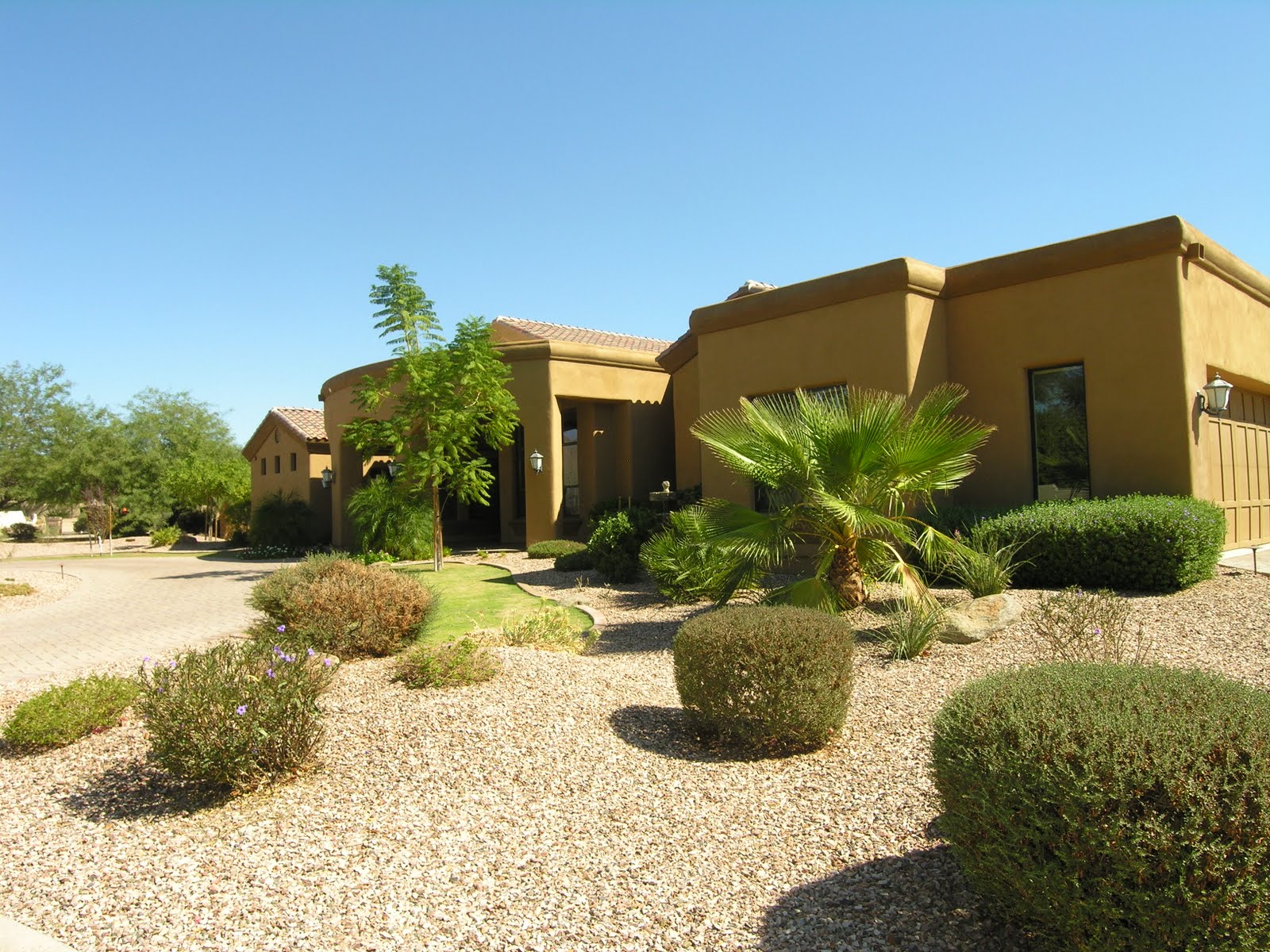 Reduce work life stress. If you choose a second home that is easily drivable from your primary home, you now own an instant stress-buster. You can spend weekends there on a whim, which provides an immediate vacation experience. Just knowing you have that option can make even the worst work weeks more tolerable and perhaps keep you on the job longer.
Provide a true family legacy. Part of retirement planning includes deciding if you want to leave something for your children. Inherited money is nice, but could be soon spent and forgotten. A second home in a special location can be part of a shared family bonding experience, including those eventual grandchildren who visit. These family bonds can transform that second home into a family legacy that you leave behind instead of cash. That is our hope and plan for our second home.
A second home should not be a budget-buster. But if you are in a financial position to handle it, consider these and other benefits of owning a second home as part of your overall retirement planning.
Article courtesy of Mark Patterson
Reduce work life stress. If you choose a second home that is easily drivable from your primary home, you now own an instant stress-buster. You can spend weekends there on a whim, which provides an immediate vacation experience. Just knowing you have that option can make even the worst work weeks more tolerable and perhaps keep you on the job longer.
Provide a true family legacy. Part of retirement planning includes deciding if you want to leave something for your children. Inherited money is nice, but could be soon spent and forgotten. A second home in a special location can be part of a shared family bonding experience, including those eventual grandchildren who visit. These family bonds can transform that second home into a family legacy that you leave behind instead of cash. That is our hope and plan for our second home.
A second home should not be a budget-buster. But if you are in a financial position to handle it, consider these and other benefits of owning a second home as part of your overall retirement planning.
Article courtesy of Mark Patterson
Friday, September 17, 2010
10 Reasons to Buy a Home
Enough with the doom and gloom about homeownership.
Sure, maybe there's more pain to come in the housing market. But when Time magazine starts running covers that declare "Owning a home may no longer make economic sense," it's time to say: Enough is enough. This is what "capitulation" looks like. Everyone has given up.
 The Sept. 6 cover of Time magazine: This is what capitulation looks like.
After all, at the peak of the bubble five years ago, Time had a different take. "Home Sweet Home," declared its cover then, as it celebrated the boom and asked: "Will your house make you rich?"
The Sept. 6 cover of Time magazine: This is what capitulation looks like.
After all, at the peak of the bubble five years ago, Time had a different take. "Home Sweet Home," declared its cover then, as it celebrated the boom and asked: "Will your house make you rich?"
 The June 13, 2005 cover of Time.
But it's not enough just to be contrarian. So here are 10 reasons why it's good to buy a home.
1. You can get a good deal. Especially if you play hardball. This is a buyer's market. Most of the other buyers have now vanished, as the tax credits on purchases have just expired. We're four to five years into the biggest housing bust in modern history. And prices have come down a long way– about 30% from their peak, according to Standard & Poor's Case-Shiller Index, which tracks home prices in 20 big cities. Yes, it's mixed. New York is only down 20%. Arizona has halved. Will prices fall further? Sure, they could. You'll never catch the bottom. It doesn't really matter so much in the long haul.
Where is fair value? Fund manager Jeremy Grantham at GMO, who predicted the bust with remarkable accuracy, said two years ago that home prices needed to fall another 17% to reach fair value in relation to household incomes. Case-Shiller since then: Down 18%.
2. Mortgages are cheap. You can get a 30-year loan for around 4.3%. What's not to like? These are the lowest rates on record. As recently as two years ago they were about 6.3%. That drop slashes your monthly repayment by a fifth. If inflation picks up, you won't see these mortgage rates again in your lifetime. And if we get deflation, and rates fall further, you can refi.
3. You'll save on taxes. You can deduct the mortgage interest from your income taxes. You can deduct your real estate taxes. And you'll get a tax break on capital gains–if any–when you sell. Sure, you'll need to do your math. You'll only get the income tax break if you itemize your deductions, and many people may be better off taking the standard deduction instead. The breaks are more valuable the more you earn, and the bigger your mortgage. But many people will find that these tax breaks mean owning costs them less, often a lot less, than renting.
4. It'll be yours. You can have the kitchen and bathrooms you want. You can move the walls, build an extension–zoning permitted–or paint everything bright orange. Few landlords are so indulgent; for renters, these types of changes are often impossible. You'll feel better about your own place if you own it than if you rent. Many years ago, when I was working for a political campaign in England, I toured a working-class northern town. Mrs. Thatcher had just begun selling off public housing to the tenants. "You can tell the ones that have been bought," said my local guide. "They've painted the front door. It's the first thing people do when they buy." It was a small sign that said something big.
5. You'll get a better home. In many parts of the country it can be really hard to find a good rental. All the best places are sold as condos. Money talks. Once again, this is a case by case issue: In Miami right now there are so many vacant luxury condos that owners will rent them out for a fraction of the cost of owning. But few places are so favored. Generally speaking, if you want the best home in the best neighborhood, you're better off buying.
6. It offers some inflation protection. No, it's not perfect. But studies by Professor Karl "Chip" Case (of Case-Shiller), and others, suggest that over the long-term housing has tended to beat inflation by a couple of percentage points a year. That's valuable inflation insurance, especially if you're young and raising a family and thinking about the next 30 or 40 years. In the recent past, inflation-protected government bonds, or TIPS, offered an easier form of inflation insurance. But yields there have plummeted of late. That also makes homeownership look a little better by contrast.
7. It's risk capital. No, your home isn't the stock market and you shouldn't view it as the way to get rich. But if the economy does surprise us all and start booming, sooner or later real estate prices will head up again, too. One lesson from the last few years is that stocks are incredibly hard for most normal people to own in large quantities–for practical as well as psychological reasons. Equity in a home is another way of linking part of your portfolio to the long-term growth of the economy–if it happens–and still managing to sleep at night.
8. It's forced savings. If you can rent an apartment for $2,000 month instead of buying one for $2,400 a month, renting may make sense. But will you save that $400 for your future? A lot of people won't. Most, I dare say. Once again, you have to do your math, but the part of your mortgage payment that goes to principal repayment isn't a cost. You're just paying yourself by building equity. As a forced monthly saving, it's a good discipline.
9. There is a lot to choose from. There is a glut of homes in most of the country. The National Association of Realtors puts the current inventory at around 4 million homes. That's below last year's peak, but well above typical levels, and enough for about a year's worth of sales. More keeping coming onto the market, too, as the banks slowly unload their inventory of unsold properties. That means great choice, as well as great prices.
10. Sooner or later, the market will clear. Demand and supply will meet. The population is forecast to grow by more than 100 million people over the next 40 years. That means maybe 40 million new households looking for homes. Meanwhile, this housing glut will work itself out. Many of the homes will be bought. But many more will simply be destroyed–either deliberately, or by inaction. This is already happening. Even two years ago, when I toured the housing slump in western Florida, I saw bankrupt condo developments that were fast becoming derelict. And, finally, a lot of the "glut" simply won't matter: It's concentrated in a few areas, like Florida and Nevada. Unless you live there, the glut won't have any long-term impact on housing supply in your town.
Article Courtesy of Brett Arends WSJ
The June 13, 2005 cover of Time.
But it's not enough just to be contrarian. So here are 10 reasons why it's good to buy a home.
1. You can get a good deal. Especially if you play hardball. This is a buyer's market. Most of the other buyers have now vanished, as the tax credits on purchases have just expired. We're four to five years into the biggest housing bust in modern history. And prices have come down a long way– about 30% from their peak, according to Standard & Poor's Case-Shiller Index, which tracks home prices in 20 big cities. Yes, it's mixed. New York is only down 20%. Arizona has halved. Will prices fall further? Sure, they could. You'll never catch the bottom. It doesn't really matter so much in the long haul.
Where is fair value? Fund manager Jeremy Grantham at GMO, who predicted the bust with remarkable accuracy, said two years ago that home prices needed to fall another 17% to reach fair value in relation to household incomes. Case-Shiller since then: Down 18%.
2. Mortgages are cheap. You can get a 30-year loan for around 4.3%. What's not to like? These are the lowest rates on record. As recently as two years ago they were about 6.3%. That drop slashes your monthly repayment by a fifth. If inflation picks up, you won't see these mortgage rates again in your lifetime. And if we get deflation, and rates fall further, you can refi.
3. You'll save on taxes. You can deduct the mortgage interest from your income taxes. You can deduct your real estate taxes. And you'll get a tax break on capital gains–if any–when you sell. Sure, you'll need to do your math. You'll only get the income tax break if you itemize your deductions, and many people may be better off taking the standard deduction instead. The breaks are more valuable the more you earn, and the bigger your mortgage. But many people will find that these tax breaks mean owning costs them less, often a lot less, than renting.
4. It'll be yours. You can have the kitchen and bathrooms you want. You can move the walls, build an extension–zoning permitted–or paint everything bright orange. Few landlords are so indulgent; for renters, these types of changes are often impossible. You'll feel better about your own place if you own it than if you rent. Many years ago, when I was working for a political campaign in England, I toured a working-class northern town. Mrs. Thatcher had just begun selling off public housing to the tenants. "You can tell the ones that have been bought," said my local guide. "They've painted the front door. It's the first thing people do when they buy." It was a small sign that said something big.
5. You'll get a better home. In many parts of the country it can be really hard to find a good rental. All the best places are sold as condos. Money talks. Once again, this is a case by case issue: In Miami right now there are so many vacant luxury condos that owners will rent them out for a fraction of the cost of owning. But few places are so favored. Generally speaking, if you want the best home in the best neighborhood, you're better off buying.
6. It offers some inflation protection. No, it's not perfect. But studies by Professor Karl "Chip" Case (of Case-Shiller), and others, suggest that over the long-term housing has tended to beat inflation by a couple of percentage points a year. That's valuable inflation insurance, especially if you're young and raising a family and thinking about the next 30 or 40 years. In the recent past, inflation-protected government bonds, or TIPS, offered an easier form of inflation insurance. But yields there have plummeted of late. That also makes homeownership look a little better by contrast.
7. It's risk capital. No, your home isn't the stock market and you shouldn't view it as the way to get rich. But if the economy does surprise us all and start booming, sooner or later real estate prices will head up again, too. One lesson from the last few years is that stocks are incredibly hard for most normal people to own in large quantities–for practical as well as psychological reasons. Equity in a home is another way of linking part of your portfolio to the long-term growth of the economy–if it happens–and still managing to sleep at night.
8. It's forced savings. If you can rent an apartment for $2,000 month instead of buying one for $2,400 a month, renting may make sense. But will you save that $400 for your future? A lot of people won't. Most, I dare say. Once again, you have to do your math, but the part of your mortgage payment that goes to principal repayment isn't a cost. You're just paying yourself by building equity. As a forced monthly saving, it's a good discipline.
9. There is a lot to choose from. There is a glut of homes in most of the country. The National Association of Realtors puts the current inventory at around 4 million homes. That's below last year's peak, but well above typical levels, and enough for about a year's worth of sales. More keeping coming onto the market, too, as the banks slowly unload their inventory of unsold properties. That means great choice, as well as great prices.
10. Sooner or later, the market will clear. Demand and supply will meet. The population is forecast to grow by more than 100 million people over the next 40 years. That means maybe 40 million new households looking for homes. Meanwhile, this housing glut will work itself out. Many of the homes will be bought. But many more will simply be destroyed–either deliberately, or by inaction. This is already happening. Even two years ago, when I toured the housing slump in western Florida, I saw bankrupt condo developments that were fast becoming derelict. And, finally, a lot of the "glut" simply won't matter: It's concentrated in a few areas, like Florida and Nevada. Unless you live there, the glut won't have any long-term impact on housing supply in your town.
Article Courtesy of Brett Arends WSJ
 The Sept. 6 cover of Time magazine: This is what capitulation looks like.
After all, at the peak of the bubble five years ago, Time had a different take. "Home Sweet Home," declared its cover then, as it celebrated the boom and asked: "Will your house make you rich?"
The Sept. 6 cover of Time magazine: This is what capitulation looks like.
After all, at the peak of the bubble five years ago, Time had a different take. "Home Sweet Home," declared its cover then, as it celebrated the boom and asked: "Will your house make you rich?"
 The June 13, 2005 cover of Time.
But it's not enough just to be contrarian. So here are 10 reasons why it's good to buy a home.
1. You can get a good deal. Especially if you play hardball. This is a buyer's market. Most of the other buyers have now vanished, as the tax credits on purchases have just expired. We're four to five years into the biggest housing bust in modern history. And prices have come down a long way– about 30% from their peak, according to Standard & Poor's Case-Shiller Index, which tracks home prices in 20 big cities. Yes, it's mixed. New York is only down 20%. Arizona has halved. Will prices fall further? Sure, they could. You'll never catch the bottom. It doesn't really matter so much in the long haul.
Where is fair value? Fund manager Jeremy Grantham at GMO, who predicted the bust with remarkable accuracy, said two years ago that home prices needed to fall another 17% to reach fair value in relation to household incomes. Case-Shiller since then: Down 18%.
2. Mortgages are cheap. You can get a 30-year loan for around 4.3%. What's not to like? These are the lowest rates on record. As recently as two years ago they were about 6.3%. That drop slashes your monthly repayment by a fifth. If inflation picks up, you won't see these mortgage rates again in your lifetime. And if we get deflation, and rates fall further, you can refi.
3. You'll save on taxes. You can deduct the mortgage interest from your income taxes. You can deduct your real estate taxes. And you'll get a tax break on capital gains–if any–when you sell. Sure, you'll need to do your math. You'll only get the income tax break if you itemize your deductions, and many people may be better off taking the standard deduction instead. The breaks are more valuable the more you earn, and the bigger your mortgage. But many people will find that these tax breaks mean owning costs them less, often a lot less, than renting.
4. It'll be yours. You can have the kitchen and bathrooms you want. You can move the walls, build an extension–zoning permitted–or paint everything bright orange. Few landlords are so indulgent; for renters, these types of changes are often impossible. You'll feel better about your own place if you own it than if you rent. Many years ago, when I was working for a political campaign in England, I toured a working-class northern town. Mrs. Thatcher had just begun selling off public housing to the tenants. "You can tell the ones that have been bought," said my local guide. "They've painted the front door. It's the first thing people do when they buy." It was a small sign that said something big.
5. You'll get a better home. In many parts of the country it can be really hard to find a good rental. All the best places are sold as condos. Money talks. Once again, this is a case by case issue: In Miami right now there are so many vacant luxury condos that owners will rent them out for a fraction of the cost of owning. But few places are so favored. Generally speaking, if you want the best home in the best neighborhood, you're better off buying.
6. It offers some inflation protection. No, it's not perfect. But studies by Professor Karl "Chip" Case (of Case-Shiller), and others, suggest that over the long-term housing has tended to beat inflation by a couple of percentage points a year. That's valuable inflation insurance, especially if you're young and raising a family and thinking about the next 30 or 40 years. In the recent past, inflation-protected government bonds, or TIPS, offered an easier form of inflation insurance. But yields there have plummeted of late. That also makes homeownership look a little better by contrast.
7. It's risk capital. No, your home isn't the stock market and you shouldn't view it as the way to get rich. But if the economy does surprise us all and start booming, sooner or later real estate prices will head up again, too. One lesson from the last few years is that stocks are incredibly hard for most normal people to own in large quantities–for practical as well as psychological reasons. Equity in a home is another way of linking part of your portfolio to the long-term growth of the economy–if it happens–and still managing to sleep at night.
8. It's forced savings. If you can rent an apartment for $2,000 month instead of buying one for $2,400 a month, renting may make sense. But will you save that $400 for your future? A lot of people won't. Most, I dare say. Once again, you have to do your math, but the part of your mortgage payment that goes to principal repayment isn't a cost. You're just paying yourself by building equity. As a forced monthly saving, it's a good discipline.
9. There is a lot to choose from. There is a glut of homes in most of the country. The National Association of Realtors puts the current inventory at around 4 million homes. That's below last year's peak, but well above typical levels, and enough for about a year's worth of sales. More keeping coming onto the market, too, as the banks slowly unload their inventory of unsold properties. That means great choice, as well as great prices.
10. Sooner or later, the market will clear. Demand and supply will meet. The population is forecast to grow by more than 100 million people over the next 40 years. That means maybe 40 million new households looking for homes. Meanwhile, this housing glut will work itself out. Many of the homes will be bought. But many more will simply be destroyed–either deliberately, or by inaction. This is already happening. Even two years ago, when I toured the housing slump in western Florida, I saw bankrupt condo developments that were fast becoming derelict. And, finally, a lot of the "glut" simply won't matter: It's concentrated in a few areas, like Florida and Nevada. Unless you live there, the glut won't have any long-term impact on housing supply in your town.
Article Courtesy of Brett Arends WSJ
The June 13, 2005 cover of Time.
But it's not enough just to be contrarian. So here are 10 reasons why it's good to buy a home.
1. You can get a good deal. Especially if you play hardball. This is a buyer's market. Most of the other buyers have now vanished, as the tax credits on purchases have just expired. We're four to five years into the biggest housing bust in modern history. And prices have come down a long way– about 30% from their peak, according to Standard & Poor's Case-Shiller Index, which tracks home prices in 20 big cities. Yes, it's mixed. New York is only down 20%. Arizona has halved. Will prices fall further? Sure, they could. You'll never catch the bottom. It doesn't really matter so much in the long haul.
Where is fair value? Fund manager Jeremy Grantham at GMO, who predicted the bust with remarkable accuracy, said two years ago that home prices needed to fall another 17% to reach fair value in relation to household incomes. Case-Shiller since then: Down 18%.
2. Mortgages are cheap. You can get a 30-year loan for around 4.3%. What's not to like? These are the lowest rates on record. As recently as two years ago they were about 6.3%. That drop slashes your monthly repayment by a fifth. If inflation picks up, you won't see these mortgage rates again in your lifetime. And if we get deflation, and rates fall further, you can refi.
3. You'll save on taxes. You can deduct the mortgage interest from your income taxes. You can deduct your real estate taxes. And you'll get a tax break on capital gains–if any–when you sell. Sure, you'll need to do your math. You'll only get the income tax break if you itemize your deductions, and many people may be better off taking the standard deduction instead. The breaks are more valuable the more you earn, and the bigger your mortgage. But many people will find that these tax breaks mean owning costs them less, often a lot less, than renting.
4. It'll be yours. You can have the kitchen and bathrooms you want. You can move the walls, build an extension–zoning permitted–or paint everything bright orange. Few landlords are so indulgent; for renters, these types of changes are often impossible. You'll feel better about your own place if you own it than if you rent. Many years ago, when I was working for a political campaign in England, I toured a working-class northern town. Mrs. Thatcher had just begun selling off public housing to the tenants. "You can tell the ones that have been bought," said my local guide. "They've painted the front door. It's the first thing people do when they buy." It was a small sign that said something big.
5. You'll get a better home. In many parts of the country it can be really hard to find a good rental. All the best places are sold as condos. Money talks. Once again, this is a case by case issue: In Miami right now there are so many vacant luxury condos that owners will rent them out for a fraction of the cost of owning. But few places are so favored. Generally speaking, if you want the best home in the best neighborhood, you're better off buying.
6. It offers some inflation protection. No, it's not perfect. But studies by Professor Karl "Chip" Case (of Case-Shiller), and others, suggest that over the long-term housing has tended to beat inflation by a couple of percentage points a year. That's valuable inflation insurance, especially if you're young and raising a family and thinking about the next 30 or 40 years. In the recent past, inflation-protected government bonds, or TIPS, offered an easier form of inflation insurance. But yields there have plummeted of late. That also makes homeownership look a little better by contrast.
7. It's risk capital. No, your home isn't the stock market and you shouldn't view it as the way to get rich. But if the economy does surprise us all and start booming, sooner or later real estate prices will head up again, too. One lesson from the last few years is that stocks are incredibly hard for most normal people to own in large quantities–for practical as well as psychological reasons. Equity in a home is another way of linking part of your portfolio to the long-term growth of the economy–if it happens–and still managing to sleep at night.
8. It's forced savings. If you can rent an apartment for $2,000 month instead of buying one for $2,400 a month, renting may make sense. But will you save that $400 for your future? A lot of people won't. Most, I dare say. Once again, you have to do your math, but the part of your mortgage payment that goes to principal repayment isn't a cost. You're just paying yourself by building equity. As a forced monthly saving, it's a good discipline.
9. There is a lot to choose from. There is a glut of homes in most of the country. The National Association of Realtors puts the current inventory at around 4 million homes. That's below last year's peak, but well above typical levels, and enough for about a year's worth of sales. More keeping coming onto the market, too, as the banks slowly unload their inventory of unsold properties. That means great choice, as well as great prices.
10. Sooner or later, the market will clear. Demand and supply will meet. The population is forecast to grow by more than 100 million people over the next 40 years. That means maybe 40 million new households looking for homes. Meanwhile, this housing glut will work itself out. Many of the homes will be bought. But many more will simply be destroyed–either deliberately, or by inaction. This is already happening. Even two years ago, when I toured the housing slump in western Florida, I saw bankrupt condo developments that were fast becoming derelict. And, finally, a lot of the "glut" simply won't matter: It's concentrated in a few areas, like Florida and Nevada. Unless you live there, the glut won't have any long-term impact on housing supply in your town.
Article Courtesy of Brett Arends WSJ
Wednesday, September 8, 2010
5 Things To Know About Home Owners Insurance
Many insurers have been raising rates to make up for losses they suffered during the financial crisis, industry experts say. At the same time, insurers are competing hard for new customers, which means some of them are cutting better deals for new policy holders than for existing ones, says Deeia Beck, executive director of the Office of Public Insurance Counsel, a state consumer agency in Texas.
 1. Loyalty is overrated
When your annual renewal statement lands in your mailbox, check InsWeb.com and NetQuote.com to see if you can snag a better deal elsewhere. Consider moving your auto policy too; bundling home and auto coverage with the same insurer can cut your total premiums by 5% to 15%.
2. You may have too much coverage
It's common for policies to contain inflation-protection provisions that automatically increase your coverage amount. "In most years, that's a good thing," says Scott Richardson, director of the South Carolina Department of Insurance. Now that construction costs have fallen? Not so much.
For now, pass on inflation protection and adjust your coverage amount to a more realistic figure. Lowering replacement value from, say, $300,000 to $250,000 might shave 10% off your premium.
3. A bad rep can cost you
Just as lenders check your credit history before figuring out what rate to charge you, insurers tap into national databases such as the Comprehensive Loss Underwriting Exchange (CLUE) to see what claims you've filed in the past. Those records can be full of errors, warns Doug Heller, executive director of Consumer Watchdog, an insurance advocacy group.
Check your insurance report for mistakes at choicetrust.com; it's free if you've been denied coverage ($19.50 otherwise).
4. Small claims can cost you, too
Go with the highest deductible you can afford and bank the savings to cover the cost of minor repairs. Filing a claim for every broken window or leaky pipe can drive up your premiums by 10% to 15%, says Don Griffin, a vice president at Property Casualty Insurers Association of America. (Some experts say that even inquiring about making a claim can raise a red flag.)
Increasing your deductible from, say, $500 to $1,000 can lower your annual premium by as much as 25%, according to the Insurance Information Institute.
5. A home's history matters
In the market for a new house? It may seem unfair, but claims associated with the property before you buy it can result in your paying more than you would otherwise. "Certain locations [such as those vulnerable to flooding] may be more prone to claims," explains Kiran Rasaretnam, CFO of InsWeb.
To get info on past claims, ask for a copy of the seller's CLUE disclosure report (see No. 3). Yes, you're stuck with the history of the house you buy, but you can use what you find to negotiate a lower price with the seller.
Article By Sarah Max, courtesy of CNN
Photo by David McNew / Getty Images
1. Loyalty is overrated
When your annual renewal statement lands in your mailbox, check InsWeb.com and NetQuote.com to see if you can snag a better deal elsewhere. Consider moving your auto policy too; bundling home and auto coverage with the same insurer can cut your total premiums by 5% to 15%.
2. You may have too much coverage
It's common for policies to contain inflation-protection provisions that automatically increase your coverage amount. "In most years, that's a good thing," says Scott Richardson, director of the South Carolina Department of Insurance. Now that construction costs have fallen? Not so much.
For now, pass on inflation protection and adjust your coverage amount to a more realistic figure. Lowering replacement value from, say, $300,000 to $250,000 might shave 10% off your premium.
3. A bad rep can cost you
Just as lenders check your credit history before figuring out what rate to charge you, insurers tap into national databases such as the Comprehensive Loss Underwriting Exchange (CLUE) to see what claims you've filed in the past. Those records can be full of errors, warns Doug Heller, executive director of Consumer Watchdog, an insurance advocacy group.
Check your insurance report for mistakes at choicetrust.com; it's free if you've been denied coverage ($19.50 otherwise).
4. Small claims can cost you, too
Go with the highest deductible you can afford and bank the savings to cover the cost of minor repairs. Filing a claim for every broken window or leaky pipe can drive up your premiums by 10% to 15%, says Don Griffin, a vice president at Property Casualty Insurers Association of America. (Some experts say that even inquiring about making a claim can raise a red flag.)
Increasing your deductible from, say, $500 to $1,000 can lower your annual premium by as much as 25%, according to the Insurance Information Institute.
5. A home's history matters
In the market for a new house? It may seem unfair, but claims associated with the property before you buy it can result in your paying more than you would otherwise. "Certain locations [such as those vulnerable to flooding] may be more prone to claims," explains Kiran Rasaretnam, CFO of InsWeb.
To get info on past claims, ask for a copy of the seller's CLUE disclosure report (see No. 3). Yes, you're stuck with the history of the house you buy, but you can use what you find to negotiate a lower price with the seller.
Article By Sarah Max, courtesy of CNN
Photo by David McNew / Getty Images
 1. Loyalty is overrated
When your annual renewal statement lands in your mailbox, check InsWeb.com and NetQuote.com to see if you can snag a better deal elsewhere. Consider moving your auto policy too; bundling home and auto coverage with the same insurer can cut your total premiums by 5% to 15%.
2. You may have too much coverage
It's common for policies to contain inflation-protection provisions that automatically increase your coverage amount. "In most years, that's a good thing," says Scott Richardson, director of the South Carolina Department of Insurance. Now that construction costs have fallen? Not so much.
For now, pass on inflation protection and adjust your coverage amount to a more realistic figure. Lowering replacement value from, say, $300,000 to $250,000 might shave 10% off your premium.
3. A bad rep can cost you
Just as lenders check your credit history before figuring out what rate to charge you, insurers tap into national databases such as the Comprehensive Loss Underwriting Exchange (CLUE) to see what claims you've filed in the past. Those records can be full of errors, warns Doug Heller, executive director of Consumer Watchdog, an insurance advocacy group.
Check your insurance report for mistakes at choicetrust.com; it's free if you've been denied coverage ($19.50 otherwise).
4. Small claims can cost you, too
Go with the highest deductible you can afford and bank the savings to cover the cost of minor repairs. Filing a claim for every broken window or leaky pipe can drive up your premiums by 10% to 15%, says Don Griffin, a vice president at Property Casualty Insurers Association of America. (Some experts say that even inquiring about making a claim can raise a red flag.)
Increasing your deductible from, say, $500 to $1,000 can lower your annual premium by as much as 25%, according to the Insurance Information Institute.
5. A home's history matters
In the market for a new house? It may seem unfair, but claims associated with the property before you buy it can result in your paying more than you would otherwise. "Certain locations [such as those vulnerable to flooding] may be more prone to claims," explains Kiran Rasaretnam, CFO of InsWeb.
To get info on past claims, ask for a copy of the seller's CLUE disclosure report (see No. 3). Yes, you're stuck with the history of the house you buy, but you can use what you find to negotiate a lower price with the seller.
Article By Sarah Max, courtesy of CNN
Photo by David McNew / Getty Images
1. Loyalty is overrated
When your annual renewal statement lands in your mailbox, check InsWeb.com and NetQuote.com to see if you can snag a better deal elsewhere. Consider moving your auto policy too; bundling home and auto coverage with the same insurer can cut your total premiums by 5% to 15%.
2. You may have too much coverage
It's common for policies to contain inflation-protection provisions that automatically increase your coverage amount. "In most years, that's a good thing," says Scott Richardson, director of the South Carolina Department of Insurance. Now that construction costs have fallen? Not so much.
For now, pass on inflation protection and adjust your coverage amount to a more realistic figure. Lowering replacement value from, say, $300,000 to $250,000 might shave 10% off your premium.
3. A bad rep can cost you
Just as lenders check your credit history before figuring out what rate to charge you, insurers tap into national databases such as the Comprehensive Loss Underwriting Exchange (CLUE) to see what claims you've filed in the past. Those records can be full of errors, warns Doug Heller, executive director of Consumer Watchdog, an insurance advocacy group.
Check your insurance report for mistakes at choicetrust.com; it's free if you've been denied coverage ($19.50 otherwise).
4. Small claims can cost you, too
Go with the highest deductible you can afford and bank the savings to cover the cost of minor repairs. Filing a claim for every broken window or leaky pipe can drive up your premiums by 10% to 15%, says Don Griffin, a vice president at Property Casualty Insurers Association of America. (Some experts say that even inquiring about making a claim can raise a red flag.)
Increasing your deductible from, say, $500 to $1,000 can lower your annual premium by as much as 25%, according to the Insurance Information Institute.
5. A home's history matters
In the market for a new house? It may seem unfair, but claims associated with the property before you buy it can result in your paying more than you would otherwise. "Certain locations [such as those vulnerable to flooding] may be more prone to claims," explains Kiran Rasaretnam, CFO of InsWeb.
To get info on past claims, ask for a copy of the seller's CLUE disclosure report (see No. 3). Yes, you're stuck with the history of the house you buy, but you can use what you find to negotiate a lower price with the seller.
Article By Sarah Max, courtesy of CNN
Photo by David McNew / Getty Images
Subscribe to:
Posts (Atom)